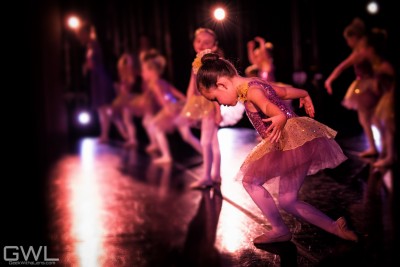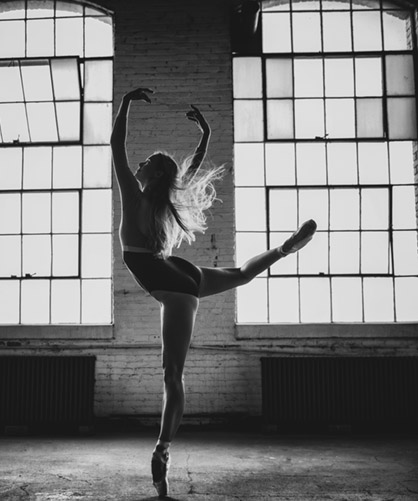
Dancer : Amy Holihan
Photo by : Geek With a Lens
I remember the thrill of being asked to understudy Snowflakes in The Nutcracker at the age of twelve in the small, pre-professional company in which I grew up. I also remember the terror of realizing that one doesn’t have to just know the steps, but the floor patterns as well. The first time I went in, I almost took out three older dancers because I wasn’t sure of the paths to take. Lesson learned. I was also asked at thirteen to understudy the lead in one of our major ballets because the choreographer wanted a ‘little girl’ that the guest male dancer could practice lifts with easily. I was on cloud nine being able to understudy such a role and under a dancer I really admired. Three years later when we danced the ballet again, I got the opportunity to perform that lead role. I remember the sense of accomplishment I felt when I remembered how technically difficult it had been for me just three years earlier and now how much fun I could have with developing the character instead of just worrying about the steps. It showed me how far I had come, not only in my technique, but as an artist.
As I got older, the definition and role of understudy didn’t change, but the connotation did. Being told that I was an understudy as I aged suddenly stopped meaning, ‘I believe in you and so I’m going to give you this opportunity,’ but rather, ‘you’re good, but still not good enough.’ I remember the frustration that came with this change. I know my teachers felt this and tried to bolster us with stories of how understudying is really just an opportunity in disguise. I specifically remember two stories, one from Melinda Jones Howe about Tina LeBlanc, a former student of hers that ended her professional career as a principal dancer with San Francisco Ballet and still works there on staff, and Jeri Mcburney-Rodgers about Paul Gibson, an alumni of our school who ended his professional career as principal dancer at Pacific Northwest Ballet and who is still working as their Ballet Master today. The stories were basically the same. As young dancers in professional companies, they would watch the rehearsals of the more advanced dancers in the company instead of going home early or taking a break. When those advanced dancers got injured, the artistic director asked who knew their roles and felt sure they could perform them. Both of them knew the roles even though they weren’t official understudies for them and it helped to launch their careers. Because I knew these people and admired them, it helped and I stopped getting that hopeless feeling when I’d see a cast list posted with my name in the understudy column. It also inspired me to ask to understudy roles that I wanted and to learn solos of every work I was in even if I wasn’t chosen as the official understudy.